They held 400 people in the school basement, and a minor was taken to Belarus. The story from Yagidne in the Chernihiv region
Source: MIPL
During their occupation of the village of Yagidne in the Chernihiv region, Russian troops committed war crimes—they unjustifiably confined several hundred people to the basement of a local school. Without sufficient food or oxygen in the building, more than ten people died. The Russians constantly suspected other civilians of collaborating with the Ukrainian Armed Forces, interrogating them and sometimes tying them up.
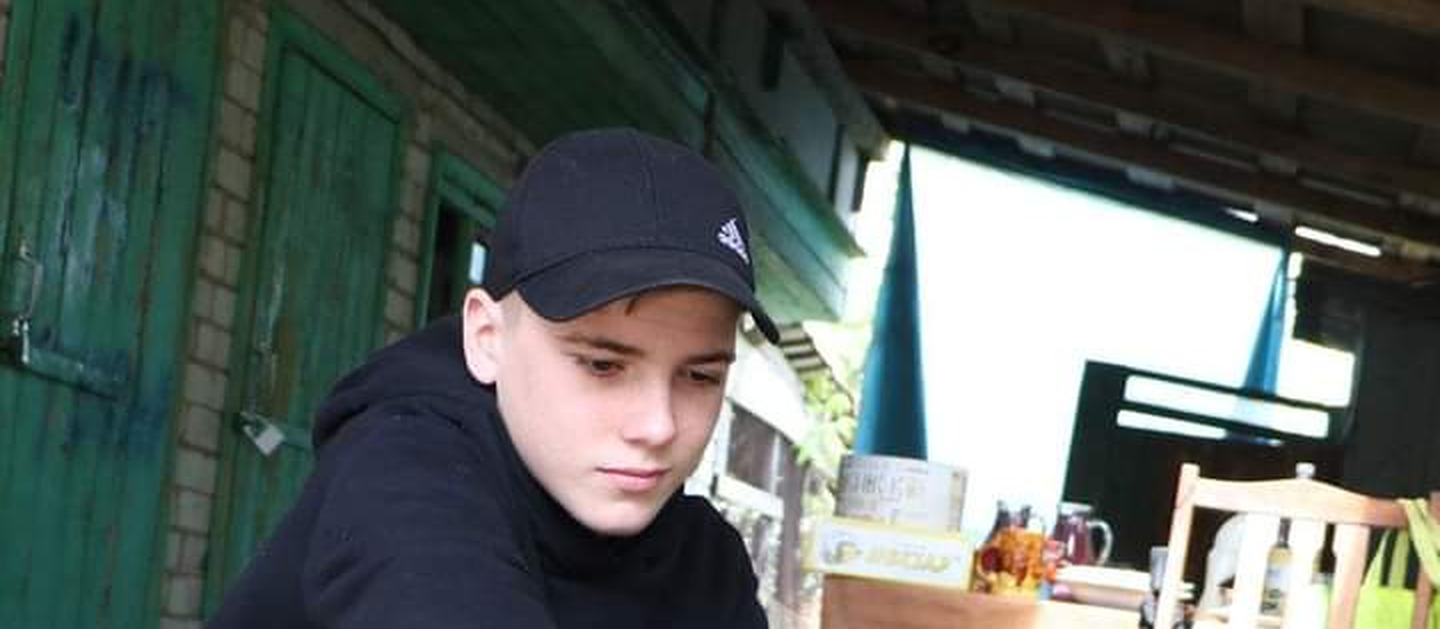
Additionally, through collaboration with the organization “Truth Hounds,” the International Institute for Human Rights (IIHR) learned of a case in which a wounded teenage boy was taken to Belarus. Alina Sorokopud, 24, shared this story about her brother.
Read the article to learn about the conditions under which people were held, how the 14-year-old boy was brought home, and how the abduction of a child can be classified under international law.
Everyone who remained in Yagidne
was gathered on the school grounds Russian troops entered the village of Yagidne, in the Chernihiv region, in early March. On March 4, after lunch, Russians armed with assault rifles began entering apartments and houses where people were hiding. Everyone was taken to the school basement—they said the village was being bombed and it would be safer for everyone there.
“They took me to the school grounds in a vehicle with a red cross. I saw three tanks in the schoolyard. At first, they were parked on the street. Later, they dug out caponiers and drove the tanks inside. There was a command trailer in the schoolyard. The Russian soldiers said the commander lived there. All the equipment had a tactical mark—a white circle. The soldiers had red armbands and leg bands,” Alina says.
The commander’s call sign was “Spider.” According to Alina, the man was bald, in his 30s, and about 180 cm tall.
Everyone who was brought onto the school grounds was taken down to the basement. Their phones were confiscated and smashed. The school itself housed a command post and a medical unit. In total, there were between 30 and 50 soldiers there.
As is known from other testimonies, the Russians often used the tactic of using civilians to shield their positions. In particular, they often brought people out into plain sight so that Ukrainian troops would see them and refrain from striking. This is a war crime. It is likely that Russian troops attempted to employ the same tactic in Yagidne.
“When they were taking us down to the basement, a drunk Tuvan man came in. He took the phones from those who still had them,” Alina recalls.
On the first day, the Russians rounded up 15–20 people. The next day—a few dozen more. Within two or three days, the girl says, everyone in Yagidne was herded into the school basement. As a result, 360 civilians were gathered there. Among them were 78–79 children. The youngest child was two months old.
There wasn’t enough oxygen
in the basement According to Alina, none of the Russian soldiers said which city they were from; they only said they were from Russia and that some of them were from Tuva.
“It was very stuffy in the basement. There wasn’t enough oxygen. We tried to tell the Russians that we couldn’t breathe. They replied that we could go to the trenches under fire. During that time, eleven elderly people died in our basement from lack of oxygen. If someone died, they wouldn’t let us bury them until morning. Then they were carried out to the boiler room. When three bodies had accumulated, they gave us an hour to bury them,” the young woman recounts.
The Russians imposed a curfew. At 7 a.m., they let people out. And at 6 or 7 p.m., they herded everyone into the basement and propped the door shut from the outside.
People were only allowed to go to the bathroom in the morning. At that time, those on duty would start preparing food for everyone. First, they cooked semolina porridge for the children in large pots. Then they’d cook for all the adults.
“Often they (Russian soldiers—MIPL) would decide that someone was at fault for something, and everyone had to go to the basement and sit there for several hours—or even until morning. If anyone asked to go home, they had to ask permission from Klen or Pavuk. At first, they let people go periodically, but then they stopped,” the girl
says
When people ran out of food, the Russians would sometimes share some of their own supplies, but there wasn’t enough—even the children were going hungry.
They offered vodka at gunpoint
“Twice at night, two drunk Tuvans came down to us. Just to chat,” Alina recalls.
One of them offered to give the child a grenade. The other pointed his assault rifle at Alina’s neighbor and asked, “Are you going to drink vodka with me?” The woman managed to change the subject and refuse.
Military vehicles and commanders’ cars were parked on the street all the time. Several times, supplies were brought to the Russians: clothing, cigarettes, food, shoes, and alcohol.
During her two-week stay in the school basement, Alina managed to get home. Later, a soldier with the call sign “Klen” took Alina aside, behind the school, tied her hands, and began interrogating her: Why had she gone home? Who had she been texting?
“He was about 175 cm tall, with a red beard, gray or blue eyes, and a very intense gaze. He kept looking me straight in the eyes the whole time. One soldier called him Seryoga… Then he put his helmet on my head. He said it would protect me from shrapnel. So I spent two hours with my hands tied. Another soldier came. He cut the ropes and told me I could go to the basement,” Alina said.
But she wasn’t the only one they suspected. They also tied up another elderly man. And one family was suspected of being spotters—they said that as soon as they went into the basement, the shelling would start.
“Once, they held us for a whole day. Simply because someone felt like keeping us there that long. I didn’t hear any shelling,” Alina says.
An injured teenager was taken to Belarus
On March 13, around noon, Alina was outside with her 14-year-old brother, Serhiy. She heard a whistling sound, followed by an explosion behind the school. Serhiy fell. Alina picked him up and carried him to the basement. Serhiy had a large wound on his shoulder blade.
The wounded boy spent the whole night in the basement. The next day, a car arrived, and the Russians said they would take him to Vyshneve (Ripky District, Chernihiv Oblast).
It wasn’t until April that the girl managed to get in touch with Serhiy. It turned out that he had been taken to Belarus. He was at the regional hospital in Gomel. The young man underwent two surgeries.
A local nurse shared a post online saying that the young man was looking for his parents. The Belarusian authorities threatened to place him in a shelter if his parents did not come to get him.
However, Serhiy’s mother could not bring him back from Belarus because she was very ill, and his father could not cross the border because he is subject to military conscription. Only his sister Alina remained.
“The difficulty was compounded by the fact that the official Belarusian medical system refused to release the boy to his sister—only to his parents. Meanwhile, his mother is ill and unable to leave the house even for a day, and his father is not permitted to cross the border. Ultimately, the problem was resolved, and Alina set out to retrieve her brother—traveling through Poland to Minsk, and then on to Gomel,” the National Police reported.
As relatives of Sergei and Alina told the MIPL, they are now at home, but the boy is in a state of shock. Alina and Sergei’s parents lost their home during the fighting in the Chernihiv region and are currently working on rebuilding it.
Violation of the Right to Family Life
Mykola Kikkas, a lawyer and expert at the International Institute for Human Rights (IIHR), analyzed this situation and noted that Belarus’s actions regarding Serhiy must be governed by the general principle of “the best interests of the child,” the UN Convention on the Rights of the Child, and the European Convention for the Protection of Human Rights and Fundamental Freedoms.
According to these standards, while Belarus as a state cannot be accused of a war crime, there are indications of other violations here.
“Potentially, such actions may constitute a violation of the right to respect for the family life of the boy and his parents. The Belarusian authorities should have notified the parents first and foremost in light of the general principle of ‘the best interests of the child,’” Mykola noted.
He added that many questions remain regarding how our state can help people in such situations to reunite with their children.
“First and foremost, what can be done is to monitor the situation; develop mechanisms for reunification; and provide free legal aid to parents in such situations,” Mykola Kikkas concluded.
This article was prepared by the Media Initiative for Human Rights with the support of the Ukrainian Helsinki Human Rights Union.
During their occupation of the village of Yagidne in the Chernihiv region, Russian troops committed war crimes—they unjustifiably confined several hundred people to the basement of a local school. Without sufficient food or oxygen in the building, more than ten people died. The Russians constantly suspected other civilians of collaborating with the Ukrainian Armed Forces, interrogating them and sometimes tying them up.
Additionally, through collaboration with the organization “Truth Hounds,” the International Institute for Human Rights (IIHR) learned of a case in which a wounded teenage boy was taken to Belarus. Alina Sorokopud, 24, shared this story about her brother.
Read the article to learn about the conditions under which people were held, how the 14-year-old boy was brought home, and how the abduction of a child can be classified under international law.
Everyone who remained in Yagidne
was gathered on the school grounds Russian troops entered the village of Yagidne, in the Chernihiv region, in early March. On March 4, after lunch, Russians armed with assault rifles began entering apartments and houses where people were hiding. Everyone was taken to the school basement—they said the village was being bombed and it would be safer for everyone there.
“They took me to the school grounds in a vehicle with a red cross. I saw three tanks in the schoolyard. At first, they were parked on the street. Later, they dug out caponiers and drove the tanks inside. There was a command trailer in the schoolyard. The Russian soldiers said the commander lived there. All the equipment had a tactical mark—a white circle. The soldiers had red armbands and leg bands,” Alina says.
The commander’s call sign was “Spider.” According to Alina, the man was bald, in his 30s, and about 180 cm tall.
Everyone who was brought onto the school grounds was taken down to the basement. Their phones were confiscated and smashed. The school itself housed a command post and a medical unit. In total, there were between 30 and 50 soldiers there.
As is known from other testimonies, the Russians often used the tactic of using civilians to shield their positions. In particular, they often brought people out into plain sight so that Ukrainian troops would see them and refrain from striking. This is a war crime. It is likely that Russian troops attempted to employ the same tactic in Yagidne.
“When they were taking us down to the basement, a drunk Tuvan man came in. He took the phones from those who still had them,” Alina recalls.
On the first day, the Russians rounded up 15–20 people. The next day—a few dozen more. Within two or three days, the girl says, everyone in Yagidne was herded into the school basement. As a result, 360 civilians were gathered there. Among them were 78–79 children. The youngest child was two months old.
There wasn’t enough oxygen
in the basement According to Alina, none of the Russian soldiers said which city they were from; they only said they were from Russia and that some of them were from Tuva.
“It was very stuffy in the basement. There wasn’t enough oxygen. We tried to tell the Russians that we couldn’t breathe. They replied that we could go to the trenches under fire. During that time, eleven elderly people died in our basement from lack of oxygen. If someone died, they wouldn’t let us bury them until morning. Then they were carried out to the boiler room. When three bodies had accumulated, they gave us an hour to bury them,” the young woman recounts.
The Russians imposed a curfew. At 7 a.m., they let people out. And at 6 or 7 p.m., they herded everyone into the basement and propped the door shut from the outside.
People were only allowed to go to the bathroom in the morning. At that time, those on duty would start preparing food for everyone. First, they cooked semolina porridge for the children in large pots. Then they’d cook for all the adults.
“Often they (Russian soldiers—MIPL) would decide that someone was at fault for something, and everyone had to go to the basement and sit there for several hours—or even until morning. If anyone asked to go home, they had to ask permission from Klen or Pavuk. At first, they let people go periodically, but then they stopped,” the girl
says
When people ran out of food, the Russians would sometimes share some of their own supplies, but there wasn’t enough—even the children were going hungry.
They offered vodka at gunpoint
“Twice at night, two drunk Tuvans came down to us. Just to chat,” Alina recalls.
One of them offered to give the child a grenade. The other pointed his assault rifle at Alina’s neighbor and asked, “Are you going to drink vodka with me?” The woman managed to change the subject and refuse.
Military vehicles and commanders’ cars were parked on the street all the time. Several times, supplies were brought to the Russians: clothing, cigarettes, food, shoes, and alcohol.
During her two-week stay in the school basement, Alina managed to get home. Later, a soldier with the call sign “Klen” took Alina aside, behind the school, tied her hands, and began interrogating her: Why had she gone home? Who had she been texting?
“He was about 175 cm tall, with a red beard, gray or blue eyes, and a very intense gaze. He kept looking me straight in the eyes the whole time. One soldier called him Seryoga… Then he put his helmet on my head. He said it would protect me from shrapnel. So I spent two hours with my hands tied. Another soldier came. He cut the ropes and told me I could go to the basement,” Alina said.
But she wasn’t the only one they suspected. They also tied up another elderly man. And one family was suspected of being spotters—they said that as soon as they went into the basement, the shelling would start.
“Once, they held us for a whole day. Simply because someone felt like keeping us there that long. I didn’t hear any shelling,” Alina says.
An injured teenager was taken to Belarus
On March 13, around noon, Alina was outside with her 14-year-old brother, Serhiy. She heard a whistling sound, followed by an explosion behind the school. Serhiy fell. Alina picked him up and carried him to the basement. Serhiy had a large wound on his shoulder blade.
The wounded boy spent the whole night in the basement. The next day, a car arrived, and the Russians said they would take him to Vyshneve (Ripky District, Chernihiv Oblast).
It wasn’t until April that the girl managed to get in touch with Serhiy. It turned out that he had been taken to Belarus. He was at the regional hospital in Gomel. The young man underwent two surgeries.
A local nurse shared a post online saying that the young man was looking for his parents. The Belarusian authorities threatened to place him in a shelter if his parents did not come to get him.
However, Serhiy’s mother could not bring him back from Belarus because she was very ill, and his father could not cross the border because he is subject to military conscription. Only his sister Alina remained.
“The difficulty was compounded by the fact that the official Belarusian medical system refused to release the boy to his sister—only to his parents. Meanwhile, his mother is ill and unable to leave the house even for a day, and his father is not permitted to cross the border. Ultimately, the problem was resolved, and Alina set out to retrieve her brother—traveling through Poland to Minsk, and then on to Gomel,” the National Police reported.
As relatives of Sergei and Alina told the MIPL, they are now at home, but the boy is in a state of shock. Alina and Sergei’s parents lost their home during the fighting in the Chernihiv region and are currently working on rebuilding it.
Violation of the Right to Family Life
Mykola Kikkas, a lawyer and expert at the International Institute for Human Rights (IIHR), analyzed this situation and noted that Belarus’s actions regarding Serhiy must be governed by the general principle of “the best interests of the child,” the UN Convention on the Rights of the Child, and the European Convention for the Protection of Human Rights and Fundamental Freedoms.
According to these standards, while Belarus as a state cannot be accused of a war crime, there are indications of other violations here.
“Potentially, such actions may constitute a violation of the right to respect for the family life of the boy and his parents. The Belarusian authorities should have notified the parents first and foremost in light of the general principle of ‘the best interests of the child,’” Mykola noted.
He added that many questions remain regarding how our state can help people in such situations to reunite with their children.
“First and foremost, what can be done is to monitor the situation; develop mechanisms for reunification; and provide free legal aid to parents in such situations,” Mykola Kikkas concluded.
This article was prepared by the Media Initiative for Human Rights with the support of the Ukrainian Helsinki Human Rights Union.
This is an automatic translation generated by DeepL.