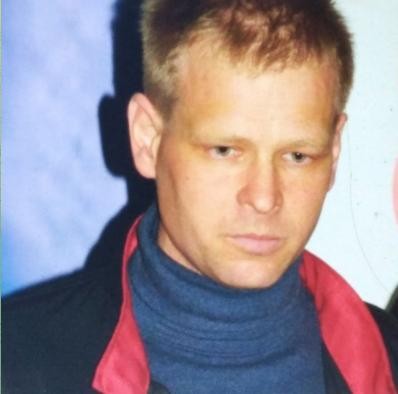
Accused of directing fire and taken to a pretrial detention center in Russia: the story of Yevgeny Guryanov from Bucha
Source: MIPL
During the occupation of the Kyiv region, Russian troops carried out mass abductions and forcibly transported people to Russia and, later, to Belarus. After his release from illegal Russian detention, Volodymyr Kropun, a volunteer with the Ukrainian Red Cross, told MIHR journalists about those whom the Russians had held alongside him in the village of Novozybkov at Pretrial Detention Center No. 2. Among them was Yevgen Gurianov.
The journalists tracked down Yevgen’s family and recorded the story of his abduction.
Before Russia’s full-scale invasion of Ukraine, Yevgen Gurianov worked as an auto mechanic at a service station in Gostomel and lived in the village of Lisova Bucha. When the Russians occupied the northern part of the Kyiv region, they began patrolling the streets and conducting searches of local homes. They fired on houses whose owners were absent using military vehicles.
Yevhen and Natalia Guryanov were initially able to avoid the searches.
“Starting on March 17, the Russians were clearing the area in our neighborhood. That day, they came from the opposite end of the street. They shouted, ‘We’re destroying houses and tearing them down.’ They destroyed the houses where the owners weren’t home. I saw this from the yard, but I hid. And the next day, they came to our house again…,” recounts Natalia Guryanova.
On March 18, Russian soldiers arrived in armored personnel carriers and cars, entered Natalia and Yevgeny’s yard, saw them, and took them out onto the street. According to the Russians, one of the neighbors had identified Yevgeny as a spotter. Although, Natalia suggests, this might have been a clumsy ploy by the Russian soldiers to get the locals to start “snitching” on one another.
“They said that one of the neighbors allegedly claimed that Zhenya lived on such-and-such a street and that he was directing the fire. They took the man aside. He said anything just to avoid staying silent. They told him, ‘If you stay silent, we’ll finish you off,’” Natalia said.
Since Yevgeny works as a mechanic, his hands had traces of fuel oil on them, so the Russians assumed he might be involved with weapons.
“In the house, they searched for video cameras, a laptop, a camera, and phones. We didn’t have any weapons, but we had a bag that our friends had left behind when they evacuated. And inside it, they found a small air gun. We didn’t even know it was there. The Russian soldiers broke it and said, ‘So you have other weapons too,’” Natalia said.
The Russians interrogated the woman separately from her husband. They said they hadn’t come to free people, but to take back “their Donbas and Crimea.”
In total, according to Natalia, there were about three dozen Russian soldiers on her street. Some of them did not look Slavic—probably Buryats.
“One of the Buryats saw a green sleeping bag we had. He asked, ‘What do you need this for?’ I said, ‘In peacetime, we often went camping.’ Another soldier approached and confirmed that it was a camping sleeping bag, not a military one,” recalls Natalia Guryanova.
She also speculates that some of the enemy soldiers might have been Ukrainians, possibly from the occupied territory of Donbas. According to a woman who lives next door to Natalia, one of the soldiers understood Ukrainian and translated for the others.
Most of them, according to Natalia, appeared to be between 35 and 40 years old.
After the interrogations, she saw her husband in the yard: he was kneeling at gunpoint. The Russian soldiers told her to say goodbye to him.
“Then I got down on my knees; I couldn’t say anything to him. They put him on an armored personnel carrier and took him away,” Natalia said.
For more than ten days, she had no information at all. Then a man she didn’t know arrived; he had been held captive with Yevhen. He told Natalia that they had been held in some kind of locked room, but he had managed to escape.
Later, Natalia was able to speak with Oleg Gordiychuk from Gostomel. The Russians had been holding him and his son, Dmytro Yuzvak, on the grounds of a military town in Hostomel. A few days later, 32 hostages were transported in two vehicles to the Belarusian city of Narovlya. There, Oleg saw Yevhen Guryanov as well. Yevgeny and Dmitry were sent to the Bryansk region, while Oleg was sent to Kursk because he had been wounded.
Read the story of Oleg Gordiychuk and Dmitry Yuzvak in the investigation into the abductions of people from Bucha, Irpin, and Gostomel
“Oleg asked Zhenya to keep an eye on his son in the Bryansk region,” said Natalia Guryanova.
She also said that in Bucha, the Russians were taking many civilians away to use them as human shields against shelling.
“When the Russians parked their vehicles in the yard next door, they made people sit on a bench nearby. A drone flew by, saw that people were sitting there, and didn’t fire on them. A neighbor who was held captive said they even took off his shoes, and he got frostbite on his feet…,” Natalia recounted the stories of her acquaintances.
According to her, there was no discernible logic or consistency in the Russians’ actions. They released some people fairly quickly, while others were taken to Russia. Natalia suspects that the Russians will try to exchange her husband, as well as dozens of other civilians, for their own military personnel.
_______________
This material was prepared by the Media Initiative for Human Rights with the support of the Ukrainian Helsinki Human Rights Union.
During the occupation of the Kyiv region, Russian troops carried out mass abductions and forcibly transported people to Russia and, later, to Belarus. After his release from illegal Russian detention, Volodymyr Kropun, a volunteer with the Ukrainian Red Cross, told MIHR journalists about those whom the Russians had held alongside him in the village of Novozybkov at Pretrial Detention Center No. 2. Among them was Yevgen Gurianov.
The journalists tracked down Yevgen’s family and recorded the story of his abduction.
Before Russia’s full-scale invasion of Ukraine, Yevgen Gurianov worked as an auto mechanic at a service station in Gostomel and lived in the village of Lisova Bucha. When the Russians occupied the northern part of the Kyiv region, they began patrolling the streets and conducting searches of local homes. They fired on houses whose owners were absent using military vehicles.
Yevhen and Natalia Guryanov were initially able to avoid the searches.
“Starting on March 17, the Russians were clearing the area in our neighborhood. That day, they came from the opposite end of the street. They shouted, ‘We’re destroying houses and tearing them down.’ They destroyed the houses where the owners weren’t home. I saw this from the yard, but I hid. And the next day, they came to our house again…,” recounts Natalia Guryanova.
On March 18, Russian soldiers arrived in armored personnel carriers and cars, entered Natalia and Yevgeny’s yard, saw them, and took them out onto the street. According to the Russians, one of the neighbors had identified Yevgeny as a spotter. Although, Natalia suggests, this might have been a clumsy ploy by the Russian soldiers to get the locals to start “snitching” on one another.
“They said that one of the neighbors allegedly claimed that Zhenya lived on such-and-such a street and that he was directing the fire. They took the man aside. He said anything just to avoid staying silent. They told him, ‘If you stay silent, we’ll finish you off,’” Natalia said.
Since Yevgeny works as a mechanic, his hands had traces of fuel oil on them, so the Russians assumed he might be involved with weapons.
“In the house, they searched for video cameras, a laptop, a camera, and phones. We didn’t have any weapons, but we had a bag that our friends had left behind when they evacuated. And inside it, they found a small air gun. We didn’t even know it was there. The Russian soldiers broke it and said, ‘So you have other weapons too,’” Natalia said.
The Russians interrogated the woman separately from her husband. They said they hadn’t come to free people, but to take back “their Donbas and Crimea.”
In total, according to Natalia, there were about three dozen Russian soldiers on her street. Some of them did not look Slavic—probably Buryats.
“One of the Buryats saw a green sleeping bag we had. He asked, ‘What do you need this for?’ I said, ‘In peacetime, we often went camping.’ Another soldier approached and confirmed that it was a camping sleeping bag, not a military one,” recalls Natalia Guryanova.
She also speculates that some of the enemy soldiers might have been Ukrainians, possibly from the occupied territory of Donbas. According to a woman who lives next door to Natalia, one of the soldiers understood Ukrainian and translated for the others.
Most of them, according to Natalia, appeared to be between 35 and 40 years old.
After the interrogations, she saw her husband in the yard: he was kneeling at gunpoint. The Russian soldiers told her to say goodbye to him.
“Then I got down on my knees; I couldn’t say anything to him. They put him on an armored personnel carrier and took him away,” Natalia said.
For more than ten days, she had no information at all. Then a man she didn’t know arrived; he had been held captive with Yevhen. He told Natalia that they had been held in some kind of locked room, but he had managed to escape.
Later, Natalia was able to speak with Oleg Gordiychuk from Gostomel. The Russians had been holding him and his son, Dmytro Yuzvak, on the grounds of a military town in Hostomel. A few days later, 32 hostages were transported in two vehicles to the Belarusian city of Narovlya. There, Oleg saw Yevhen Guryanov as well. Yevgeny and Dmitry were sent to the Bryansk region, while Oleg was sent to Kursk because he had been wounded.
Read the story of Oleg Gordiychuk and Dmitry Yuzvak in the investigation into the abductions of people from Bucha, Irpin, and Gostomel
“Oleg asked Zhenya to keep an eye on his son in the Bryansk region,” said Natalia Guryanova.
She also said that in Bucha, the Russians were taking many civilians away to use them as human shields against shelling.
“When the Russians parked their vehicles in the yard next door, they made people sit on a bench nearby. A drone flew by, saw that people were sitting there, and didn’t fire on them. A neighbor who was held captive said they even took off his shoes, and he got frostbite on his feet…,” Natalia recounted the stories of her acquaintances.
According to her, there was no discernible logic or consistency in the Russians’ actions. They released some people fairly quickly, while others were taken to Russia. Natalia suspects that the Russians will try to exchange her husband, as well as dozens of other civilians, for their own military personnel.
_______________
This material was prepared by the Media Initiative for Human Rights with the support of the Ukrainian Helsinki Human Rights Union.
This is an automatic translation generated by DeepL.