He went to meet his brother—and ended up being illegally detained for three months
Source: MIPL
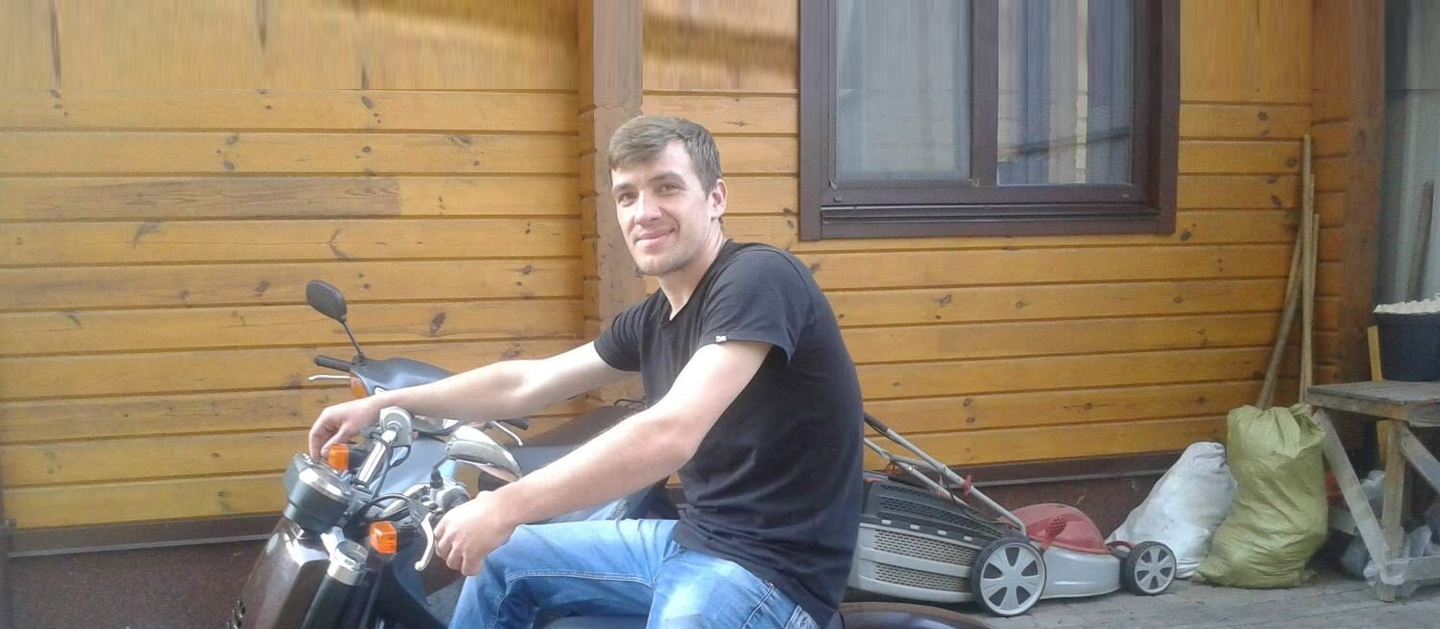
Ivan Drozd, a 27-year-old from Katyuzhanka, was abducted by Russian troops on February 28 of this year—at the very start of the full-scale invasion. Only recently did his wife, Hanna, learn that Ivan is being held hostage by the Russians, likely in the Bryansk region.
According to Ukrainians released from illegal detention, people in the Bryansk region are being held in the village of Novozybkov, at Pretrial Detention Center No. 2.
MIPL journalists spoke with Hanna, as well as with a man who, along with Ivan, was taken hostage by the Russians. Here is another story about the forced disappearance of people in the Kyiv region.
He Went to Help His Brother
On that day, February 28, Ivan received a call from his brother. He said he couldn’t get home from the village of Lyutizh and asked Ivan to meet him in Kozarovychi. His brother was planning to walk along the river to bypass the Russian military checkpoints, which had already established positions both near Dymer and in Kozarovychi.
“He said, ‘My brother will cross or swim across the river; I’ll give him some dry clothes, and we’ll come home to us.’ Of course, I wouldn’t let him go—I told him the orcs were already there, along with the checkpoints—but he insisted he was going, and that was that… I understand him—he wanted to help his brother,” Hanna said.
For several days, the woman waited in vain for her husband to come home. She was afraid to go outside—there were Russian soldiers everywhere. After a while, when living under occupation became unbearable and too dangerous, Anna evacuated, leaving a note on her front door: “We’ve left; you know where to find us.” But Ivan never showed up.
Almost two months later, in April, a man named Igor found Anna. It was with him that Ivan was walking toward Kozarovychi. He was certain that Ivan was at home because he had allegedly been “released” back when Igor himself was still in captivity.
It is known that Ivan was abducted by the Russians
“Ivan shouted, ‘Glory to Ukraine,’ thinking they were our people.”
Igor Dmytruk met up with Ivan in Dymer on the evening of February 28. At that time, the man says, it was just beginning to get dark. Ihor needed to walk to Vyshhorod, and Ivan, according to him, wasn’t even planning to walk as far as Kozarovychi, as his wife thought, but all the way to Lyutizh.
“We wanted to walk to Lyutizh together. He would have stayed there, but I wanted to keep going,” Igor said.
They didn’t take the main road but instead took Starodimerka Road—outside the industrial zone, where the “Viknaland” plant and a foundry were located, which would later become the main site for holding civilian prisoners. At “Viknaland,” by the way, there was a Russian base.
“We had walked about three kilometers from Dymer. There was a field there. I think that was already Kozarovychi. We crossed some kind of barrier, and there were soldiers sitting in the bushes. They said, ‘Stop, who goes there?’ Vanya said, ‘Guys, don’t shoot—we’re on your side. Glory to Ukraine.’ They replied, ‘Yeah, glory to Ukraine—well then, get down on the ground.’ “We thought they were our own people…,” Igor recounts.
The men were detained, tied up, and tied to trees. Later that evening, they were taken to some facility in Kozarovychi. According to Ihor’s description, it resembles the place where Vasyl Khilyuk—who was previously interviewed by MIHR journalists—and his son Dmytro were held, along with dozens of other people detained in Kozarovychi. Specifically, it was a warehouse for construction materials.
Igor and Ivan spent five or six days there; later, they were transferred to a foundry in Dymer near “Viknaland.” After another five days of abuse and beatings, the Russians arrived with lists of those who were to be “released.” According to Igor, there were about ten names on the list, including Ivan’s. As it turned out, only a 75-year-old man was released from that group. The rest were taken to Russia.
The Russians even abducted female pensioners
Igor was released from the foundry on March 23. He and about seven other people were driven to Dymer.
“I don’t know why they let me go but not them. How am I any different from them? What did Vanya do that they took him? I can understand when they took ATO veterans, because they’re afraid of them. Or people with supposedly ‘provocative’ tattoos, or those who worked on the dam. We had two or three guys like that. Maybe they didn’t give them some information. But the rest… There were grandmothers in their 60s. They were held for several days. One woman said she had high blood pressure and couldn’t go without her pills,” Igor said.
Numerous accounts indicate that the people taken from the foundry were first transported by the Russians to Gostomel, then to the Belarusian city of Narovlya, and from there to Russia.
Both MIPL journalists and Ivan’s wife received confirmation from former detainees held in the pretrial detention center in Novozybkov that they had heard the name Ivan Drozd. However, his current condition and whether he has been transferred to another location remain unknown.
There is also a photo circulating online of illegally detained Ukrainians, in which Hanna recognized her husband. Specifically, in the photo, he is wearing his own shoes and pants, but the jacket is not his.
The Ministry of Reintegration of the Occupied Territories also confirmed to Hanna that Ivan is on the list of prisoners. She now hopes for her husband’s release as soon as possible.
The Russians have violated several norms of international law
at once
During a press conference, Andriy Yakovlev, a lawyer and expert at the International Institute for Human Rights (IIHR), analyzed the situation regarding the abduction of people, their detention—particularly in Dymer—and their subsequent transfer to Russian territory.
He noted that the transfer of civilians to the territory of another state is prohibited by the Geneva Conventions.
Andriy Yakovlev considers such actions by the Russians to be a war crime
“Article 47 of the Fourth Geneva Convention states that the deportation or transfer of the civilian population constitutes a serious violation of international humanitarian law. This constitutes a war crime and is regulated by both national law and the Rome Statute. Under national law, this falls under Article 438 of the Criminal Code of Ukraine. It provides that violations of the laws and customs of war are subject to criminal liability depending on their severity. “The Rome Statute addresses similar cases in three articles,” emphasized Andriy Yakovlev.
Finally, he reminded the audience that international human rights law also prohibits the forced displacement of people during wartime.
_____________
This material was prepared by the Media Initiative for Human Rights with the support of the Ukrainian Helsinki Human Rights Union.
Ivan Drozd, a 27-year-old from Katyuzhanka, was abducted by Russian troops on February 28 of this year—at the very start of the full-scale invasion. Only recently did his wife, Hanna, learn that Ivan is being held hostage by the Russians, likely in the Bryansk region.
According to Ukrainians released from illegal detention, people in the Bryansk region are being held in the village of Novozybkov, at Pretrial Detention Center No. 2.
MIPL journalists spoke with Hanna, as well as with a man who, along with Ivan, was taken hostage by the Russians. Here is another story about the forced disappearance of people in the Kyiv region.
He Went to Help His Brother
On that day, February 28, Ivan received a call from his brother. He said he couldn’t get home from the village of Lyutizh and asked Ivan to meet him in Kozarovychi. His brother was planning to walk along the river to bypass the Russian military checkpoints, which had already established positions both near Dymer and in Kozarovychi.
“He said, ‘My brother will cross or swim across the river; I’ll give him some dry clothes, and we’ll come home to us.’ Of course, I wouldn’t let him go—I told him the orcs were already there, along with the checkpoints—but he insisted he was going, and that was that… I understand him—he wanted to help his brother,” Hanna said.
For several days, the woman waited in vain for her husband to come home. She was afraid to go outside—there were Russian soldiers everywhere. After a while, when living under occupation became unbearable and too dangerous, Anna evacuated, leaving a note on her front door: “We’ve left; you know where to find us.” But Ivan never showed up.
Almost two months later, in April, a man named Igor found Anna. It was with him that Ivan was walking toward Kozarovychi. He was certain that Ivan was at home because he had allegedly been “released” back when Igor himself was still in captivity.
It is known that Ivan was abducted by the Russians
“Ivan shouted, ‘Glory to Ukraine,’ thinking they were our people.”
Igor Dmytruk met up with Ivan in Dymer on the evening of February 28. At that time, the man says, it was just beginning to get dark. Ihor needed to walk to Vyshhorod, and Ivan, according to him, wasn’t even planning to walk as far as Kozarovychi, as his wife thought, but all the way to Lyutizh.
“We wanted to walk to Lyutizh together. He would have stayed there, but I wanted to keep going,” Igor said.
They didn’t take the main road but instead took Starodimerka Road—outside the industrial zone, where the “Viknaland” plant and a foundry were located, which would later become the main site for holding civilian prisoners. At “Viknaland,” by the way, there was a Russian base.
“We had walked about three kilometers from Dymer. There was a field there. I think that was already Kozarovychi. We crossed some kind of barrier, and there were soldiers sitting in the bushes. They said, ‘Stop, who goes there?’ Vanya said, ‘Guys, don’t shoot—we’re on your side. Glory to Ukraine.’ They replied, ‘Yeah, glory to Ukraine—well then, get down on the ground.’ “We thought they were our own people…,” Igor recounts.
The men were detained, tied up, and tied to trees. Later that evening, they were taken to some facility in Kozarovychi. According to Ihor’s description, it resembles the place where Vasyl Khilyuk—who was previously interviewed by MIHR journalists—and his son Dmytro were held, along with dozens of other people detained in Kozarovychi. Specifically, it was a warehouse for construction materials.
Igor and Ivan spent five or six days there; later, they were transferred to a foundry in Dymer near “Viknaland.” After another five days of abuse and beatings, the Russians arrived with lists of those who were to be “released.” According to Igor, there were about ten names on the list, including Ivan’s. As it turned out, only a 75-year-old man was released from that group. The rest were taken to Russia.
The Russians even abducted female pensioners
Igor was released from the foundry on March 23. He and about seven other people were driven to Dymer.
“I don’t know why they let me go but not them. How am I any different from them? What did Vanya do that they took him? I can understand when they took ATO veterans, because they’re afraid of them. Or people with supposedly ‘provocative’ tattoos, or those who worked on the dam. We had two or three guys like that. Maybe they didn’t give them some information. But the rest… There were grandmothers in their 60s. They were held for several days. One woman said she had high blood pressure and couldn’t go without her pills,” Igor said.
Numerous accounts indicate that the people taken from the foundry were first transported by the Russians to Gostomel, then to the Belarusian city of Narovlya, and from there to Russia.
Both MIPL journalists and Ivan’s wife received confirmation from former detainees held in the pretrial detention center in Novozybkov that they had heard the name Ivan Drozd. However, his current condition and whether he has been transferred to another location remain unknown.
There is also a photo circulating online of illegally detained Ukrainians, in which Hanna recognized her husband. Specifically, in the photo, he is wearing his own shoes and pants, but the jacket is not his.
The Ministry of Reintegration of the Occupied Territories also confirmed to Hanna that Ivan is on the list of prisoners. She now hopes for her husband’s release as soon as possible.
The Russians have violated several norms of international law
at once
During a press conference, Andriy Yakovlev, a lawyer and expert at the International Institute for Human Rights (IIHR), analyzed the situation regarding the abduction of people, their detention—particularly in Dymer—and their subsequent transfer to Russian territory.
He noted that the transfer of civilians to the territory of another state is prohibited by the Geneva Conventions.
Andriy Yakovlev considers such actions by the Russians to be a war crime
“Article 47 of the Fourth Geneva Convention states that the deportation or transfer of the civilian population constitutes a serious violation of international humanitarian law. This constitutes a war crime and is regulated by both national law and the Rome Statute. Under national law, this falls under Article 438 of the Criminal Code of Ukraine. It provides that violations of the laws and customs of war are subject to criminal liability depending on their severity. “The Rome Statute addresses similar cases in three articles,” emphasized Andriy Yakovlev.
Finally, he reminded the audience that international human rights law also prohibits the forced displacement of people during wartime.
_____________
This material was prepared by the Media Initiative for Human Rights with the support of the Ukrainian Helsinki Human Rights Union.
This is an automatic translation generated by DeepL.